Handle with Flair: The Quiet Suburban Contest Turning Wheelie Bins Into Local Celebrities
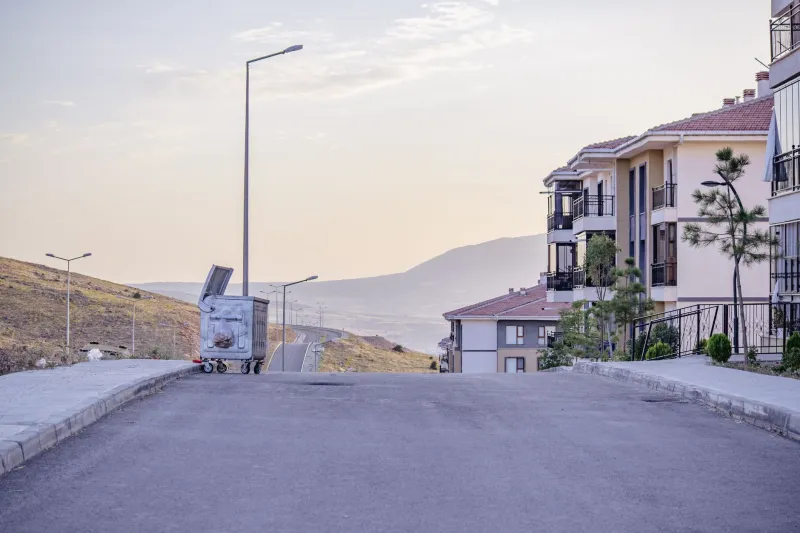
Bin day used to be simple. You dragged a plastic box to the pavement, hoped the seagulls would show restraint, and went back inside. In 2026, however, the wheelie bin has become something else entirely: a canvas, a calling card, and occasionally a minor local celebrity with its own hashtag.
All over the UK, bins are being decorated with house-number decals, floral stencils, football crests, hand-painted murals and names. Not just names, either. Full personalities. There is a bin called Brenda. There is a bin with googly eyes. There is, somewhere in the Home Counties, a bin that appears to have a better social life than its owners.
From house number to folklore
The original logic was sensible enough. A plain black bin on a street of identical plain black bins is an accident waiting to happen. A sticker, a stencil or a splash of paint helps everyone work out which receptacle belongs to which house. It is practical. It is neighbourly. It is also, inevitably, the start of a competition.
Once one household adds a tasteful number decal, the house next door notices. Then someone adds a little vine motif. Then someone else paints a cartoon cat on the lid. Before long, the street has a bin-based visual hierarchy and everyone is pretending not to care about it.
The rise of short-form video has accelerated things. TikTok and Instagram are now full of bin transformations: before, after, close-up, dramatic reveal. A well-executed bin makeover can rack up more engagement than a lot of actual telly. Local Facebook groups, meanwhile, have become the unofficial judging panel. A photo of a newly decorated bin will attract compliments, questions about weatherproof paint, and at least one person asking whether the council permits it.
The sticker economy
Part of the appeal is that bins are cheap to customise. You do not need a garden designer or a signwriter. A pack of vinyl stickers, a stencil from an online marketplace and a spare afternoon will do most of the work. There are now small UK businesses selling bin-specific decals: house numbers, pets, slogans, little illustrations of hedgehogs and pints. The phrase 'binfluencer' is doing the rounds, mostly affectionately.
It helps that the bin is a forgiving object. It is already a bit scuffed. It is already the least glamorous thing on the driveway. There is no pressure for the result to be perfect, which means people are more willing to experiment. A wonky hand-painted sunflower on a wheelie bin reads as charming. The same sunflower on a front door might read as a cry for help.
The council letter and the grey area
There is, of course, a rules question. Councils across the UK have different approaches to bins. Some are relaxed about decoration, provided the bin remains identifiable and collectable. Others are more particular about what can be stuck to a bin, especially if it affects collection machinery or recycling rules. The general advice is dull but reliable: check before you go full mural.
That uncertainty has not stopped anyone. If anything, it has added to the folklore. Stories circulate of overzealous notices, defiant stickers and bins that were decorated specifically to annoy a neighbour who complained about bins being left out. The wheelie bin has become a small stage for the kind of low-stakes local drama Britain does better than almost anyone.
Why a bin feels like fair game
A bin is not a car, a house or a front lawn. It is a temporary object that sits at the boundary between private property and public pavement. That makes it a perfect place for self-expression without too much exposure. You are not painting your house purple. You are just giving your bin a bit of character. If the neighbours dislike it, they can hardly object to a bin with a nice fern on it.
There is something quietly satisfying about making a mundane object slightly too important. It is the same instinct that makes people name their Roomba, review a pothole on Google Maps or develop strong opinions about the correct way to load a dishwasher. The bin is just the latest vessel for it.
When the bin becomes the personality
Some bins have now gone beyond decoration. They have names. They have backstories. They have, in a few cases, their own social media accounts. The bin is no longer just a bin. It is a recurring character in the street's ongoing soap opera. When it goes missing after a windy night, it is not a missing bin. It is a disappearance.
This is where the trend gets genuinely funny. A decorated bin invites interaction. People stop and look. Delivery drivers comment. Children point. The bin becomes a tiny landmark, a conversation starter, a way of saying 'we live here and we are paying attention' without actually having to talk to anyone.
The real prize is the pavement glance
Ultimately, the wheelie-bin decoration arms race is not really about winning. There is no trophy. There is no official leaderboard. The reward is the glance from a neighbour on bin day, the small nod of recognition, the knowledge that your bin is not just a bin. It is a statement, albeit a very small, very plastic one.
And if the council does send a letter? Well, that is just another chapter in the story. Britain's bins have had worse. At least this one has a name.