A Bear, an Onion and a Banned Duck Walk Into a Council Meeting
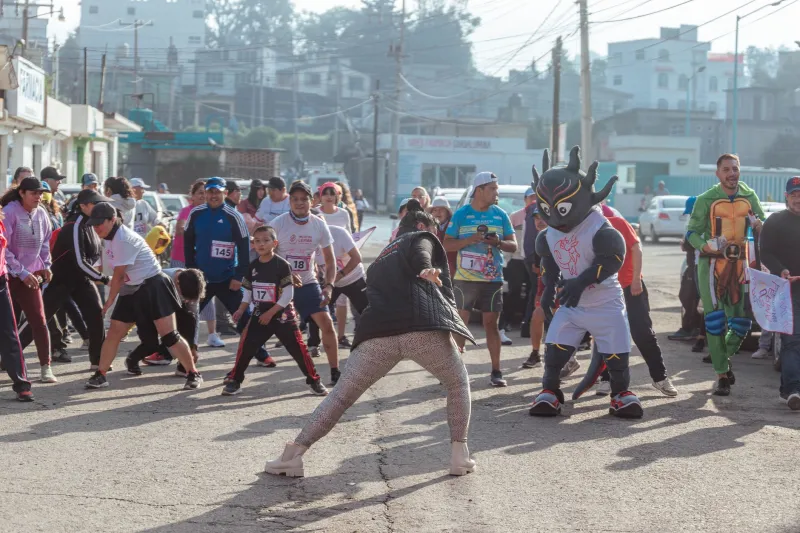
There is a particular kind of British fame that does not involve a red carpet, a Netflix deal or a carefully worded apology on Instagram. It involves standing outside a leisure centre in a bear costume while a child asks if you are real, a pensioner tells you you're doing a grand job, and someone from the parish council takes a photo for the newsletter. Welcome to the small-town mascot economy.
At the centre of it all is Barry the Bear, the kind of local character who has somehow become more recognisable than the mayor. Barry is a library bear — or at least, that is the official line. In practice, he is a walking, waving piece of civic furniture: booked for summer reading challenges, school visits, the occasional grand opening of a refurbished bin store. He has a fan account. He has a nemesis. He has, according to one deeply unscientific scan of local Facebook groups, been the subject of at least three passive-aggressive posts and one formal complaint about 'appropriate bear behaviour'.
And Barry is not alone. Across the UK, homemade mascots are having a moment. There is a giant onion that turns up at food festivals with the quiet confidence of a vegetable that knows it has rights. There is a council duck that was, at one point, banned from a high street for reasons that remain gloriously vague — something to do with obstruction, probably, or maybe dignity. There are dogs, dragons, bees, loaves of bread and at least one unexplained anthropomorphic pasty. None of them are official. All of them are beloved.
The rise of the accidental celebrity
The modern small-town mascot is not a slick corporate creation. That is the point. A supermarket mascot has a brand strategy. A town mascot has a bloke called Dave who knows someone who can sew. The costume might have been made in 1998. The head might be slightly too big. The eyes might be positioned in a way that suggests the character has seen things. This is not a flaw. It is the entire appeal.
Barry the Bear works because he feels like he belongs to the place. He is not trying to sell you a phone contract. He is trying to get you to read a book, or at least to stop blocking the entrance to the library. The giant onion works because it is absurd and sincere in equal measure. The banned duck works because it was banned, and nothing makes a local mascot more famous than a council official saying 'not in those words, but ideally no'.
There is also the matter of fan accounts. A mascot with a fan account has officially made it. The account will usually be run by a teenager, a retired teacher or someone who describes themselves as 'just a fan of the duck'. It will post blurry photos, cryptic captions and the occasional poll asking whether the onion should get a hat. It will also, inevitably, get into a mild online spat with the account for a rival mascot. This is the mascot wars. It is not violent. It is mostly emojis and thinly veiled references to 'certain bears'.
The council duck and the art of the ban
The banned duck is a useful case study in British local authority energy. Nobody seems entirely sure why the duck was banned. The official reason, if you can find it, is likely to be something about public safety, insurance or 'the appropriate use of council property'. The unofficial reason, according to local lore, is that someone on the committee did not like the duck. Perhaps the duck looked at them funny. Perhaps the duck's handler was a bit too enthusiastic with the waving. Perhaps the duck was simply too powerful.
Whatever the truth, the ban turned the duck into a legend. A mascot that is allowed to roam free is one thing. A mascot that has been banned is a mascot with a story. The duck now has a certain outlaw glamour. People want to know where the duck will turn up next. Will it appear at a car boot sale? A birthday party? A protest about parking charges? The duck cannot comment, because the duck is a costume, but its handler has been known to give a very slow, very deliberate thumbs-up.
This is the paradox of local mascots. Councils want to control them, because councils are institutions and institutions love a risk assessment. But the public wants them to be a bit chaotic. The best mascots sit right on the line between 'civic asset' and 'slightly unhinged local legend'. Barry the Bear is probably safe. The onion is probably safe. The duck is a folk hero.
The etiquette of hugging a giant onion
There is, of course, a code. You do not simply approach a giant onion and wrap your arms around it. That is not how this works. The first rule is to ask the handler. The handler is the person inside, or the person standing next to the person inside, and they will tell you if the onion is currently accepting hugs. The second rule is to go gently. A giant onion is not a sofa. It is a structured garment with feelings and a limited range of motion.
Children get priority. This is non-negotiable. If a child wants a photo with the onion, the adult who has had three pints and wants to recreate a wedding photo does not get to go first. The third rule is to never, ever lift the mascot's head. It is hot in there. It is dark. It is not a surprise reveal. It is a person trying to do a nice thing for the town.
The fourth rule is about photos. Take one, say thank you, and move on. Do not ask the mascot to 'do something funny'. The mascot is already doing something funny by existing. The fifth rule is the most British of all: if you see the mascot outside of its official duties — say, getting a coffee, or walking to the car — pretend you have not seen it. The mascot is off duty. Let the bear be a bear.
Why we love them
Small-town mascots are a bit silly, and that is exactly why they work. They are not polished. They are not focus-grouped. They are the physical embodiment of a place's willingness to make a fool of itself for a good cause. Barry the Bear gets children into libraries. The giant onion gets people to a food festival. The banned duck gets everyone talking about the council again, which is not nothing.
In a world of algorithmic sameness, there is something genuinely comforting about a mascot that only exists because a town decided it should. It is local. It is weird. It is probably slightly damp. And if you are very lucky, it might even let you hug it — as long as you ask the handler first.