Someone Else's Underlining: Why We're All Reading Books That Strangers Have Already Argued With
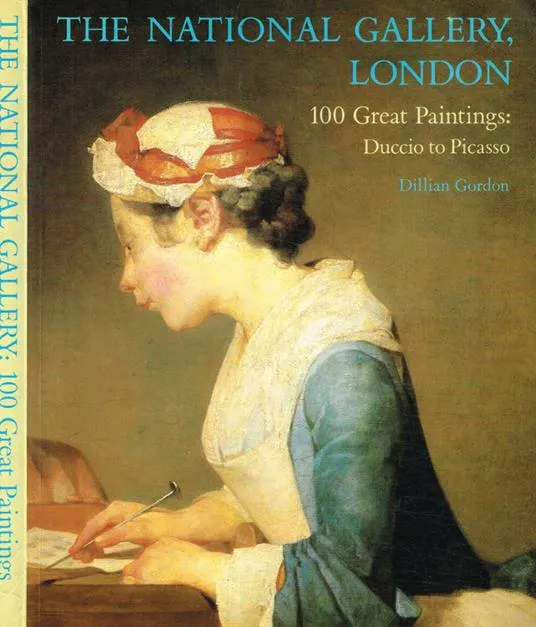
Photo: Jean-Baptiste-Siméon Chardin / National Gallery, Public domain, via Wikimedia Commons
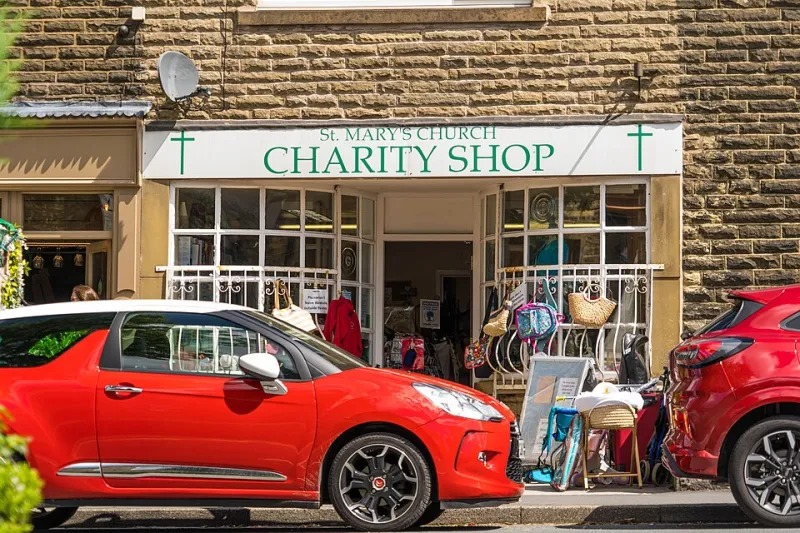
There is a paperback on my shelf that I did not really buy. I bought the novel, obviously — 50p from a charity shop in Stockport, spine cracked, cover showing a woman gazing wistfully at a lighthouse. But what I actually brought home was a stranger's argument with it.
Page 42, in pencil: “Oh DO come off it.” Page 78: “she's lying and he knows it.” Page 190, in biro applied so firmly it has bled through to the other side: “THIS IS THE BEST BIT.”
I have not stopped thinking about this person for six months. No name, no age, no idea whether they finished it. Just a set of opinions delivered with total confidence to nobody in particular.
That, roughly, is the mood behind a corner of the internet that has quietly got quite big: annotated second-hand books, and the people who collect, film and post them.
The 50p Time Capsule
The premise is almost insultingly simple. You buy a used book. Somebody has written in it. Instead of treating this as damage, you treat it as a bonus feature — a director's commentary from a person who died knowing nothing about you and cared deeply about a fictional wedding.
The hashtags doing the rounds — #marginalia, #annotatedbooks, #secondhandfinds — are stuffed with examples. There's the thriller where every chapter ends with a single word: “no.” There's the romance novel annotated by someone who appears to be conducting a formal review, complete with a scoring system out of ten. There's the self-help book where a previous owner has crossed out entire paragraphs and written, in the margin, “tried this. didn't work.”
My favourite genre, personally, is the reader who loses all critical distance. Pages and pages of clean, respectful silence, and then one enormous scrawl: “DON'T.”
Nobody Knows Who Margaret Is, and Everybody Has a Theory
Marginalia is a genre with subgenres, and the audience has become weirdly learned about them.
There's the Corrective Reader, who fixes typos and factual errors as though being paid by the publisher. The Emoter, who responds to plot developments as if receiving live updates from a war zone. The Forgetter, who writes questions in the margin and answers them forty pages later, sometimes incorrectly. And the Inheritor, who has clearly been given the book by a relative and is documenting the experience — “Nan's favourite, see if I agree.”
Booksellers have noticed. Ask anyone behind the counter of a second-hand shop and they'll tell you that a book with writing in it is no longer an automatic markdown. Some are now shelving annotated copies separately, or photographing the best pages for their own social accounts. One seller in Sheffield told me she keeps a box under the till labelled, plainly, “the good ones” — books too entertaining to sell without pointing out why.
“People used to want pristine,” she said. “Now they ask if we've got any with notes in. I've had to start checking them properly, because sometimes the notes are better than the novel.”
Why It Works as a Comfort Watch
The appeal is not really literary. It's the appeal of company.
A book with a stranger's pencil marks in it is a small, low-stakes reminder that somebody sat where you're sitting, with a mug, in a slightly cold room, and had a whole inner life about a plot twist. There's no obligation to reply. There's no risk of being left on read. You just get the good bits of another human being, edited down by chance and a final-sale bin.
It also scratches the same itch as a good charity shop rummage: the sense that you have been let in on something, cheaply, by luck. A 50p paperback with an argument in it feels more valuable than a £9.99 one without.
And there's the mystery, which is the whole engine. Who writes “not on your nelly” next to a marriage proposal? What was going on in that house? When the book is handed in, does the person ever wonder where it went?
The Bit Where It Gets Slightly Creepy
Here's where the mood sours a little, and it's worth naming it.
Sometimes the notes aren't jokes. Sometimes they're dates, dedications, hospital appointments written inside a cover, a full name in careful childhood handwriting. Sometimes a page has been annotated by someone working through grief and not expecting an audience. TikTok doesn't always get the memo about that.
The general etiquette that's emerged online, when people bother to follow it, is fairly sensible: blur out surnames, don't share anything that looks medical or financial, and don't read the inscription at the front aloud just because it's sad. And if a book turns out to have a name in it, some sellers quietly post it back into the local charity shop network rather than sell it on, on the off-chance a family is looking.
The other awkward truth is that annotation is now being faked. Books are being artificially “aged” with a pencil and a viral instinct, because a stranger's thoughts sell better than an empty page. You can usually tell — real marginalia is inconsistent, sometimes unreadable, and often dull. Fake marginalia is funny on every page, which no real human has ever managed.
How to Join In Without Being a Menace
If you fancy dipping a toe in, the rules are short. Buy second-hand, obviously — car boot sales, church hall sales, the slightly chaotic Oxfam with the good shelf. Read before you film. Never write in a book that isn't yours, no matter how tempting the margin looks. And if you're the sort of person who annotates their own books, keep doing it. Somebody in 2056 is going to find your furious little comments and be absolutely delighted.
As for my Stockport paperback, I've decided not to look the author up or finish the story past page 190, because I don't especially want to know how it ends. I'd rather keep the pencil. It's a better read than the plot anyway.